Hello, dear reader!
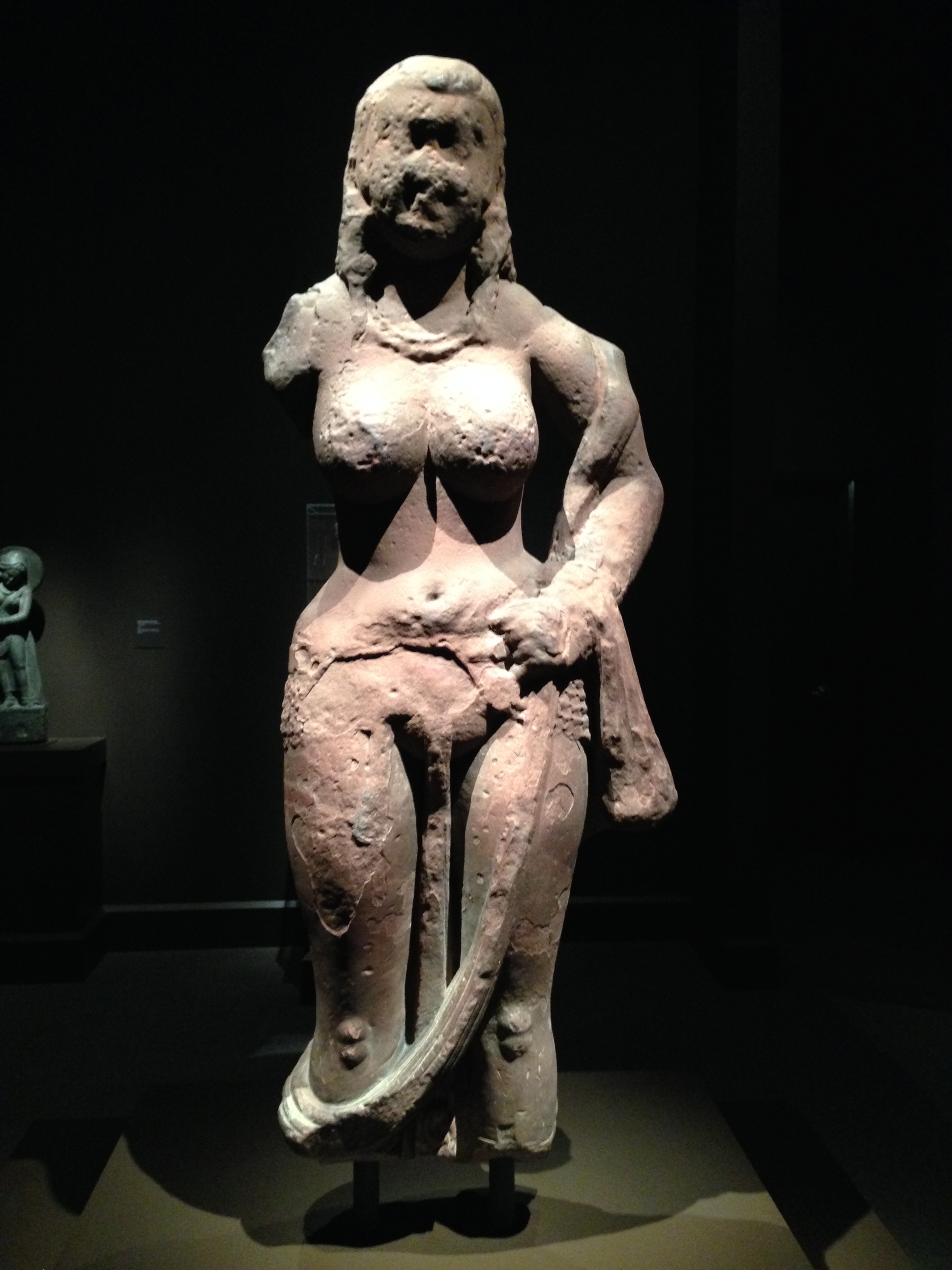
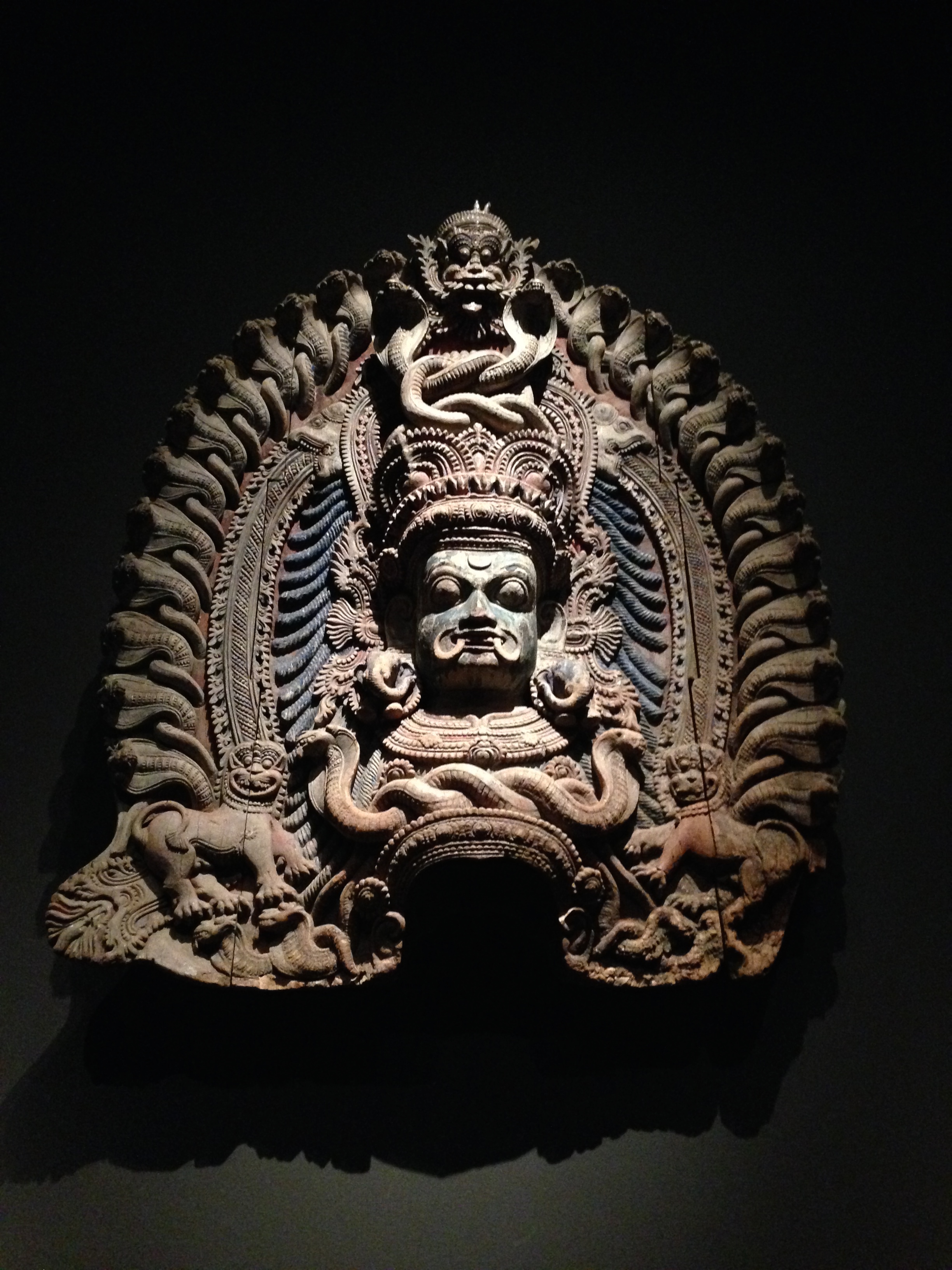
Finally, the promised post from my visit to LACMA and South-and-South-East Asian art. To be honest, it was difficult writing this post, because all I saw there were gods’ statues – mostly big and bosomed women and strange animal-like creatures carved in stone. The picture on the left is of the Nature Goddess, the oldest artifact I found, from the 1st century, slightly larger than average human size.
Here are other examples:




I guess I found understanding this art difficult because, being used to Thracian and ancient Greek art, I was expecting not only statues, but a variety of engraved cups and plates and jewelry and many other objects with ceremonial use. The only comparable old example I saw was a set of rings, described as ceremonial objects or musical instruments.

A pair of ceremonial objects or musical instruments, Indonesia, Savu, 1st-5th c. AD
Each object is hollow and has a stone inside that rattles when it is shaken.
And this makes it almost too easy to say that the art of these cultures was inseparable from their religious beliefs. To create these figures so large and in the durable material of stone, they must have been very important to the people who made them and worshipped them. And since I didn’t see any displays of utilitarian objects, maybe they were considered too commonplace and void of importance to be made to last or to be decorated artistically. It seems like special artistic skills and preserved statues and objects carry only religious meaning.
 Art and the Invisible