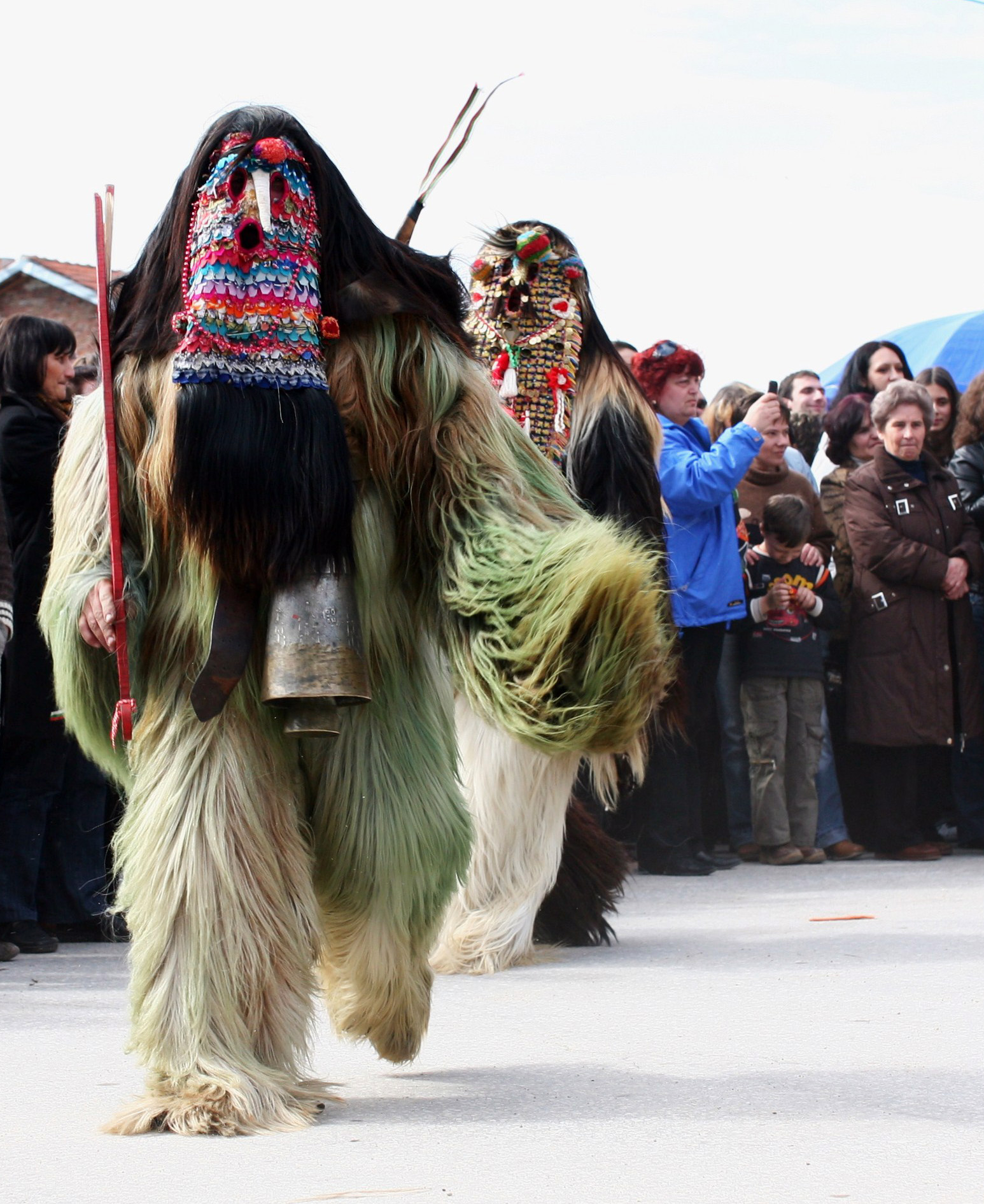
What I consider very clearly demonstrated in this ritual is how real and necessary the existence of this activity is. The participants and the observers are entertained, amused, and exhilarated by the event, but that is not the aim of the festivities, just a by-product of the its main purpose – the chasing away of what they called evil spirits. The role of “the artist” here (each man made his own costume) is to create a scarier costume and a more exact dance pattern of the reality they believed in, in order to bring to pass their desired result – no evil, health, and good harvest. This role not only provides the artist with a specific topic of work and definite requirements, but also gives a measurement of his success of failure.
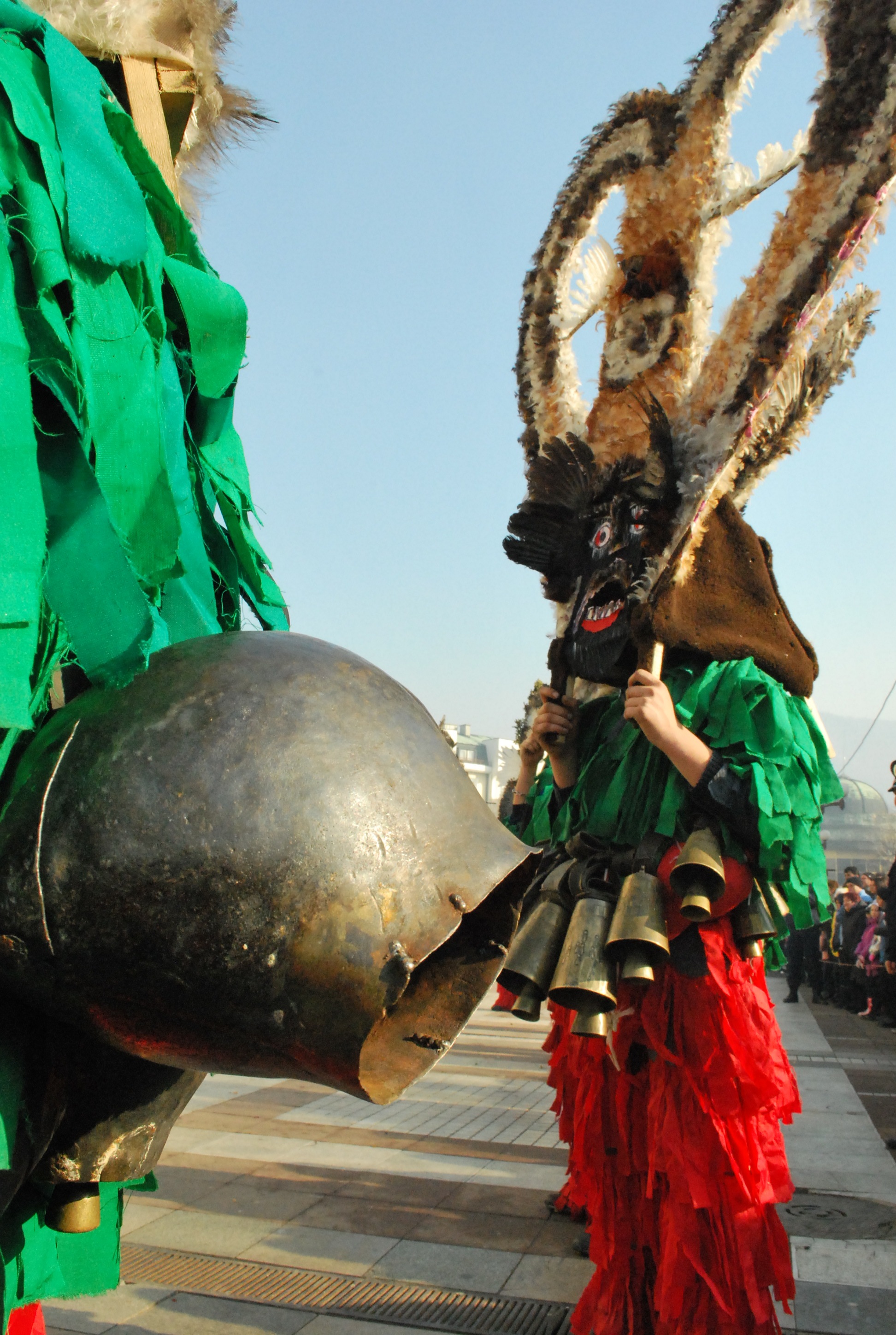
I see this as very different, if not opposing, to the predominant contemporary views of art, which are mainly concerned with creating a feeling and a sensation in the viewers and listeners. These views also place the artist in a difficult position, where he is responsible not only for the execution of the work, but also for finding his own topic all the while the criteria of what is successful have moved into the realm of personal taste without a tangible way of measurement. And that, I think, is a tall order of any one individual!

